Middle School (Grades 5–8)
Where Students Become Independent Thinkers
In Middle School, students engage in deeper analysis, discussion, and project-based learning—building the skills and confidence needed for high school and beyond.
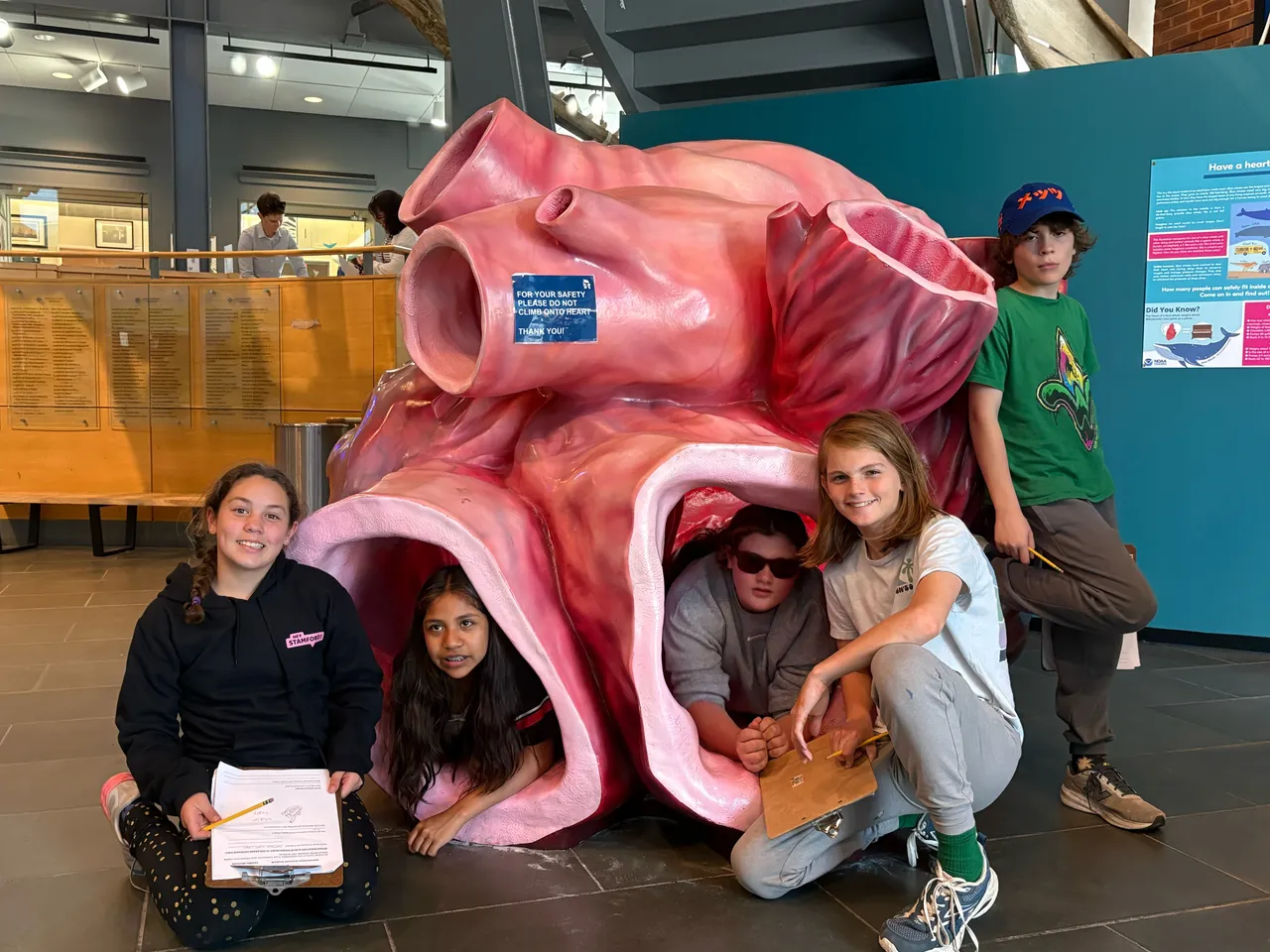
At Mead, Middle School students are expected to think deeply, ask questions, and engage actively in their learning. Through discussion, research, and real-world application, students move beyond memorization and develop true understanding.
Strong Academics, Deeper Thinking
Students engage in a challenging academic program that includes:
- Advanced reading, writing, and literary analysis
- Mathematical reasoning and problem-solving
- Interdisciplinary projects that connect ideas across subjects
Teachers push students to think critically, communicate clearly, and engage deeply with content.
Taking Ownership of Learning
Adolescence is a time of growth and change.
At Mead, students are supported by strong relationships with teachers and advisors who guide them academically and personally.
Meaningful, Culminating Experiences
Middle School students engage in experiences that require them to apply their learning in meaningful ways.
These include long-term projects, presentations, and opportunities to reflect on their growth as learners.
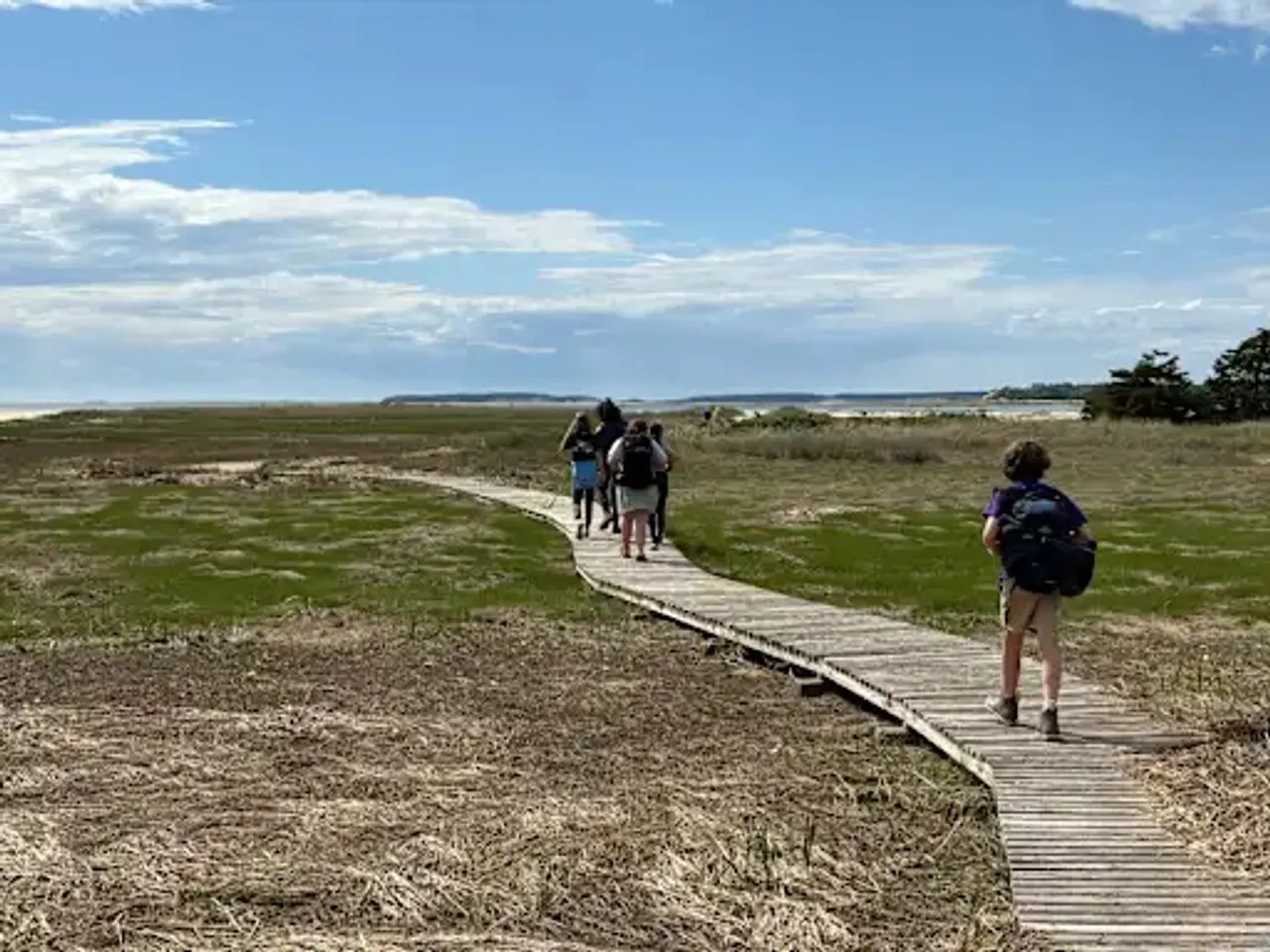
The Graduation Capstone Project
Magical, challenging, and powerful.
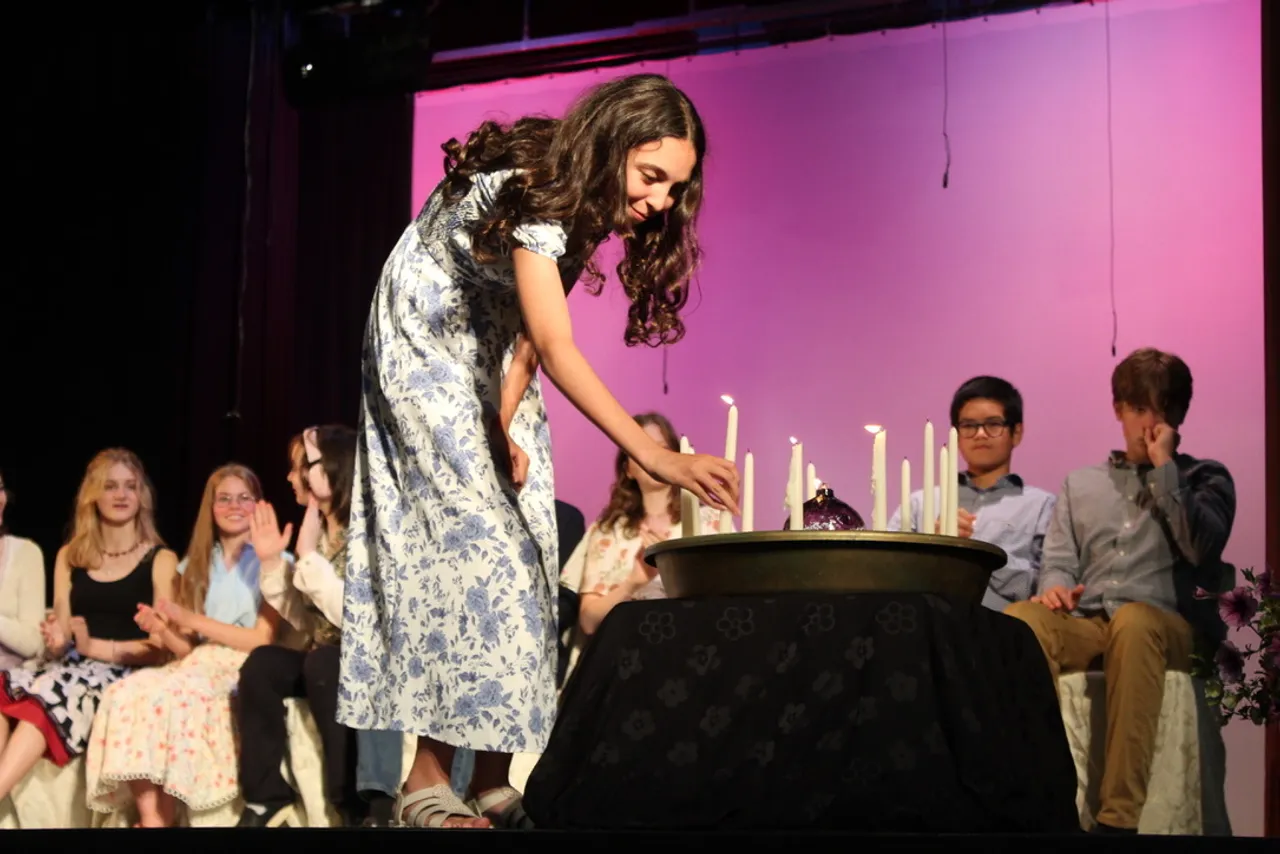
These words from graduating students best capture the essence of the Graduation Capstone experience. This rewarding tradition gives 8th grade students the opportunity to synthesize the different elements of their Mead education and to see for themselves how they have grown and evolved. This project is likely the most challenging process a Mead student will experience, and perhaps the most significant in its reinforcement of a sense of academic confidence and independence in our students.
Expectations are high, and students are expected to stay in dialogue about the evolution of their project and process, be able to articulate the steps taken throughout. and be prepared to answer a wide range of questions during their Graduation Mastery Panel.

The Four Components of the Graduation Mastery
Personal Reflection Piece
Individually, students must create something that symbolizes themselves and their growth at Mead. Whether or not a student has been here for two or ten years, the personal reflection is meant to illustrate how each student has grown and changed during their tenure. The personal reflection piece can take the form of art, drama, dance, writing or music. Students must be prepared to speak and answer questions about their work in front of the Graduation Mastery Panel, comprised of The Head of School, The Home Center Director, The Director of Admissions, The Mastery Challenge Teacher, The Graduation Ritual Facilitator and each student's Support Person.
Reflection Essay
All students write a formal essay that describes how they see themselves at this time, the direction they wish to proceed in life as well as how they have woven the seven school skills into their learning. The essay includes the students’ understanding of their strengths and weaknesses as a learner and what they think the impact of these qualities will be on their future education. Additionally, students must identify what they believe has been the most meaningful contribution to their development at Mead. As with the personal reflection piece, students are expected to discuss their essay with the Graduation Mastery Panel.
Curriculum Area Mastery Challenge
Students select a subject area that is especially meaningful to them and, within it, the desired challenge through which to demonstrate mastery. The Home Center Director matches the student with the best Curriculum Director for that particular challenge. The Challenge CD creates the Mastery, along with the deadlines for each stage of the challenge. The student presents their challenge to the CD; it is the Challenge CD’s responsibility to determine that the student has completed all requirements. Then, the student is asked to demonstrate and defend his/her Mastery Challenge before the Graduation Mastery Panel. At this time, the student also defends his/her Reflection Piece, Artist’s Statement and Reflection Essay. No two challenges look alike, even within the same curriculum area, because the staff customize the challenge according to each student.
Graduation Mastery Panel
Each student meets with the Graduation Mastery Panel to present and defend his/her Reflection, Essay, Reflection Piece, Artist’s Statement and Mastery Challenge. The Panel is prepared to pose questions about the work presented and the personal process involved. The student receives feedback from the Panel. Lasting approximately one hour, the Panel engages each student in a rigorous discussion about the work presented. Once the Mastery is approved by the panel, the student is approved for graduation.
Athletics at Mead
At The Mead School, active learning is our norm - and what could be more active than athletic endeavor?
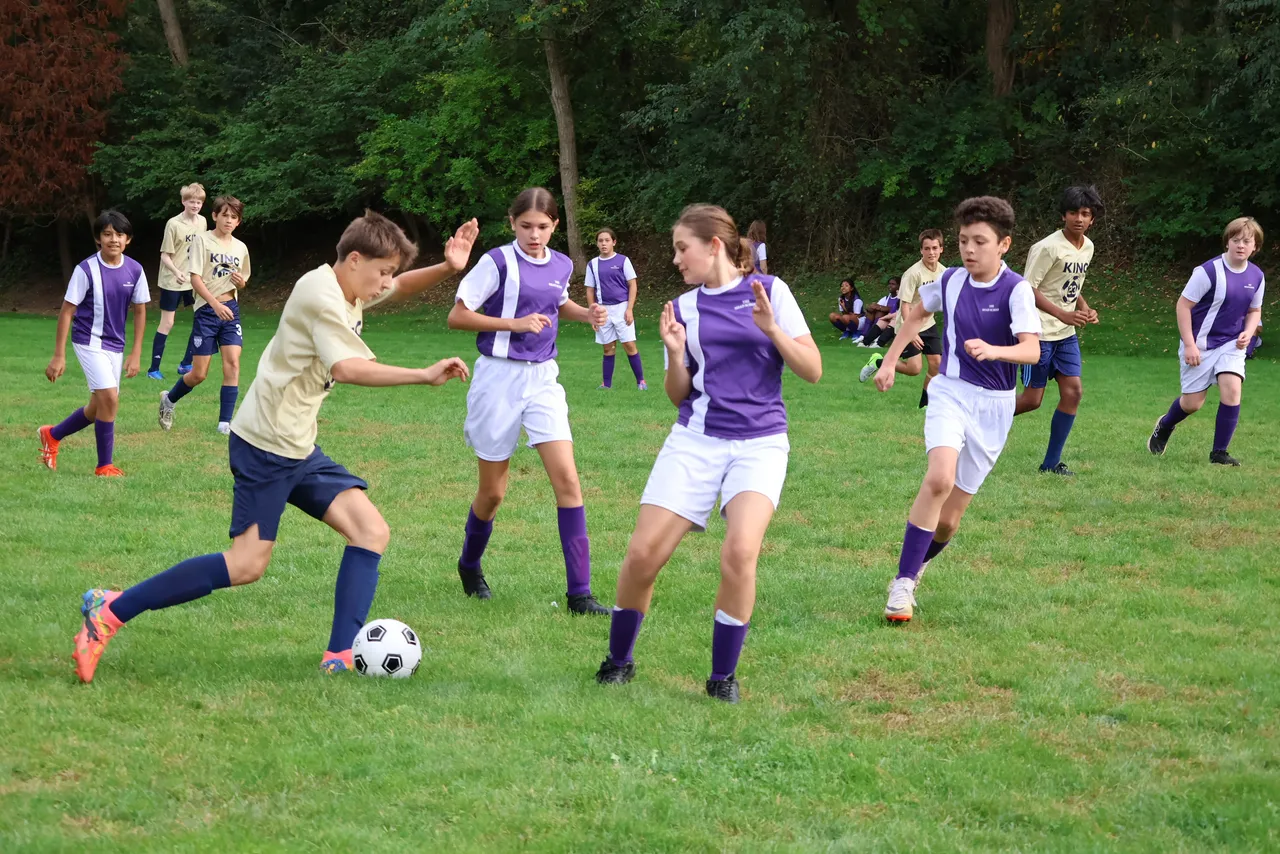
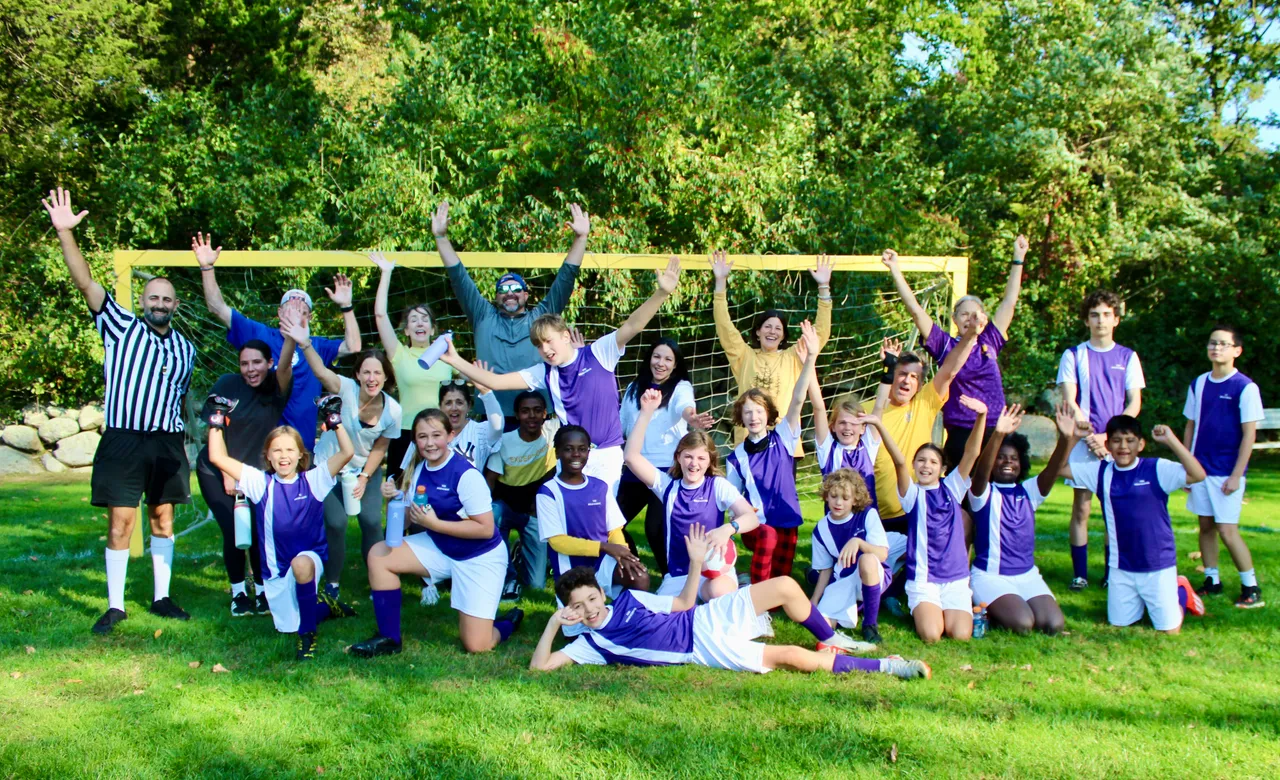
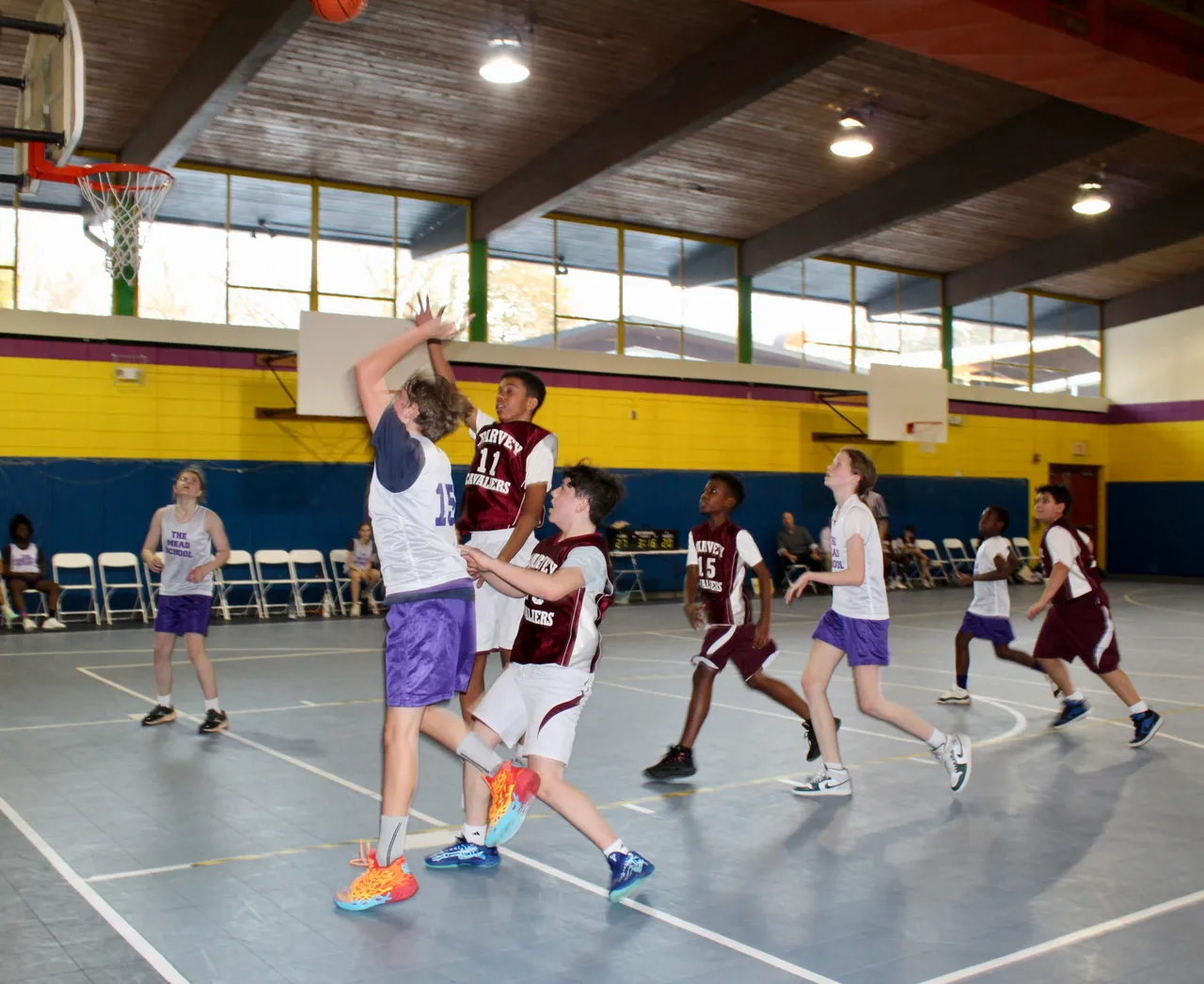
Mead students enjoy a variety of competitive sport opportunities, a robust and fun physical development program, and a faculty leader who is as happy leading a lunchtime dance party as he is coaching on the turf and in the gym!
Team Sports at Mead
For competitive team sports, Mead competes against other local private schools.
Fall Trimester: Soccer
Winter Trimester: Basketball
Spring Trimester: Softball and Cross Country
Ready for What Comes Next
Graduates of Mead leave prepared for a range of high schools.
They are confident thinkers, strong communicators, and independent learners who are ready to engage in more advanced academic environments.
See Middle School in Action
The best way to understand Mead’s Middle School program is to visit and experience it firsthand.